
Fandom
‘Fandom: the state or attitude of being a fan.’
Merriam-Webster website
Fandoms exist in many different forms. They can be related to a sports team, a pop star, movies and so much more. Fandoms are basically a group of people that have extreme respect and love for their chosen topic. Anime and manga have a large fandom group, however its size and variation ranges hugely. This blog is about anime and manga fandom and the types of fandom that are associated with it.
Otaku
The origin of manga and anime fandom obviously started in Japan, however it wasn’t always seen as a positive thing. Whilst some people enjoy reading or watching manga and anime, there is a word for someone who takes their love for it to the extreme. Otaku – a person that is extremely fond or obsessed with anime and manga. Often otaku’s will collect manga and anime as well as vast amounts of action figures, posters, toys and any other merchandise that is associated with their favourite show or book. In the 90s the word otaku was an offensive word, meaning geek or nerd. An otaku was described as someone who is a fan of manga, socially awkward and basically a recluse. The term was often used referring to Japanese males in high school that ‘should have grown out’ of collecting manga and figurines, making them feel ashamed of their beloved collection. However, as the western world began to access anime and manga a new wave of fans appeared, who wanted to be known as otaku. Western audiences wanted to collect the figures from Japan and try to outdo each other with their collections, this is when the meaning of otaku changed. Otaku in anime and manga fandom suddenly meant a ‘cool geek’.
Cosplay
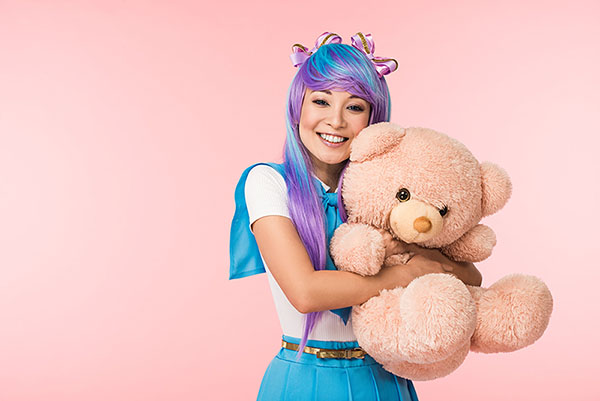
Being a ‘serious’ part of anime and manga fandom can be very time consuming, watching and reading as much as you can constantly, but there is one thing that can make you a super dedicated fan and that is cosplay. Cosplay basically means costume play. Fans will dress up as their favourite anime or manga characters to show their devotion to the character. Outfits for the characters can be simple and easy to achieve, also readily available to buy online, however the truly jaw dropping cosplays are usually homemade. Hours of work are put into making a cosplay outfit, even easier designs can take up a lot of time and money, but they do look truly amazing. If you ever find yourself in a place where there are cosplayers take the time to appreciate all the outfits around you!
The Anime Snob
Another section of the anime manga fandom is the anime snob. This is a person that only watches a particular anime because of the way it looks or if it is from a specific genre. If you try to talk to an anime snob about an anime they haven’t seen, either because they haven’t seen it yet or just don’t want to, they will try to shut you down by arguing that their favourite anime is far superior to the anime you are trying to talk about. These people aren’t necessarily negative towards other anime, they just have their own super fandom, a fandom within a fandom.
Fan Service
Fan service is basically when authors of the manga give fans and fandom what they want in an image. It doesn’t change the storyline of the manga, but the mangaka (writer/illustrator) will create illustrations for the fans that might not happen in the manga itself. Often when creating a long manga series, the mangaka’s receive fan mail and sometimes requests of drawings. This can include characters in outfits such as a female characters in bunny girl outfits, lots of characters together having a celebration and even characters getting together romantically even though they aren’t necessarily romantically involved in the manga. Although the latter may seem that the author is trying to please their fans by coupling (shipping) particular characters, the mangaka has often already decided that these characters belong together even if it hasn’t happened yet in the manga. Fan service illustrations and ideas can also be included in some anime even if it didn’t happen in the original manga. Fan service is usually very light-hearted however it can also often be quite risqué.
Fandoms – fact and fiction
Sometimes people think that the fandoms only speak the truth, however fandom posts are usually made up from a personal opinion that gets spread around if it’s a popular belief. For example, the mangaka of Gachiakuta, Kei Urana, was surprised recently when she was made aware that her fans claimed that she was non-binary and preferred the pronouns they and them. This is not the case. Urana identifies as a female and prefers the pronouns she and her. Although Urana wasn’t offended, this did make some of the Gachiakuta fandom aware that not everything you read on the internet is the truth!
Shipping
Shipping is the grouping of two characters from an anime or manga into a romantic relationship. This has become a massive part of the anime fandom. Shipping tends to happen more in relation to anime, rather than manga, as people are more likely to watch episodes relatively around the same time and are then collectively able to talk about it with each other. Pretty much every anime has some sort of ‘ship’ attached to it, one of the most popular being Bakugo and Deku from My Hero Academia. BakuDeku was unsurprisingly started by the MHA fandom and whilst some people think it’s a cute idea there are others that are far more serious about the idea. When the MHA anime finished recently some fans were in uproar as it didn’t end how they wanted it to, with their favourite ‘ship’ happening. If you’ve read the manga you will know that the ending of the anime is the same, however some of the MHA fandom felt that they were entitled to get the ending that they wanted.
Toxic Fandoms
Fandoms were originally a place to share your love for an anime or manga. Appreciating all the good things about the thing that you love, however some fandoms do become toxic. Fans can be passionate, which is great. Being enthusiastic about an anime or manga brings people together and there is nothing wrong with loving a work of fiction so passionately. However, a lot of conflict can also be created from that passion. A fandom can become toxic for many different reasons including: arguments about the best character, shipping conflicts and even the storyline of the anime/manga. Toxic fandoms are made up of anime/ manga fans, who behave in a way that doesn’t respect or is harmful to other fans and even the mangaka. A recent example of a toxic fandom is during the most recent series of One Punch Man (season 3 part one). The director, Shinpei Nagai, shut down his X (twitter) account due to the amount of negative messages and abuse he was being sent. One Punch Man season 3 was poorly animated with many fans stating that it was more like a slide show of pictures rather than the action animation they were expecting. The fandom took this out the director, even though the production studio was given a low budget and an extremely tight animation schedule, that even big production studios like Studio Bones and Mappa would’ve struggled with. This is an example of how powerful toxic fandoms can be.
There are, unfortunately, many more cases of toxic fandoms, which can ruin the enjoyment for others. Yes, people can have an opinion, but it is wrong when they try to force it on others. Hiding behind a keyboard to abuse and bully people into accepting your opinion is wrong, as well as spreading misinformation. If you like anime and manga my advice it to stay away from the fandom altogether and enjoy your shows or books the way you want to.
To finish off I am going to use a Disney quote, which I frequently use in my own life.
“If you can’t say something nice don’t say nothing at all.” Thumper from Bambi, 1942
Published: 2026.03.09